Recovery for performance
Your watch measures effort.Nothing measures how you stress your muscles.
AUSPRÁ is building recovery intelligence at the muscle level. The one metric Garmin, WHOOP or Ōura cannot give you.
Tuesday 10K easy run
14 May 2026
Recovery readiness
Mostly recovered. Light session recommended.
Research published in
How it works
AUSPRÁ in three steps.
Wear it.
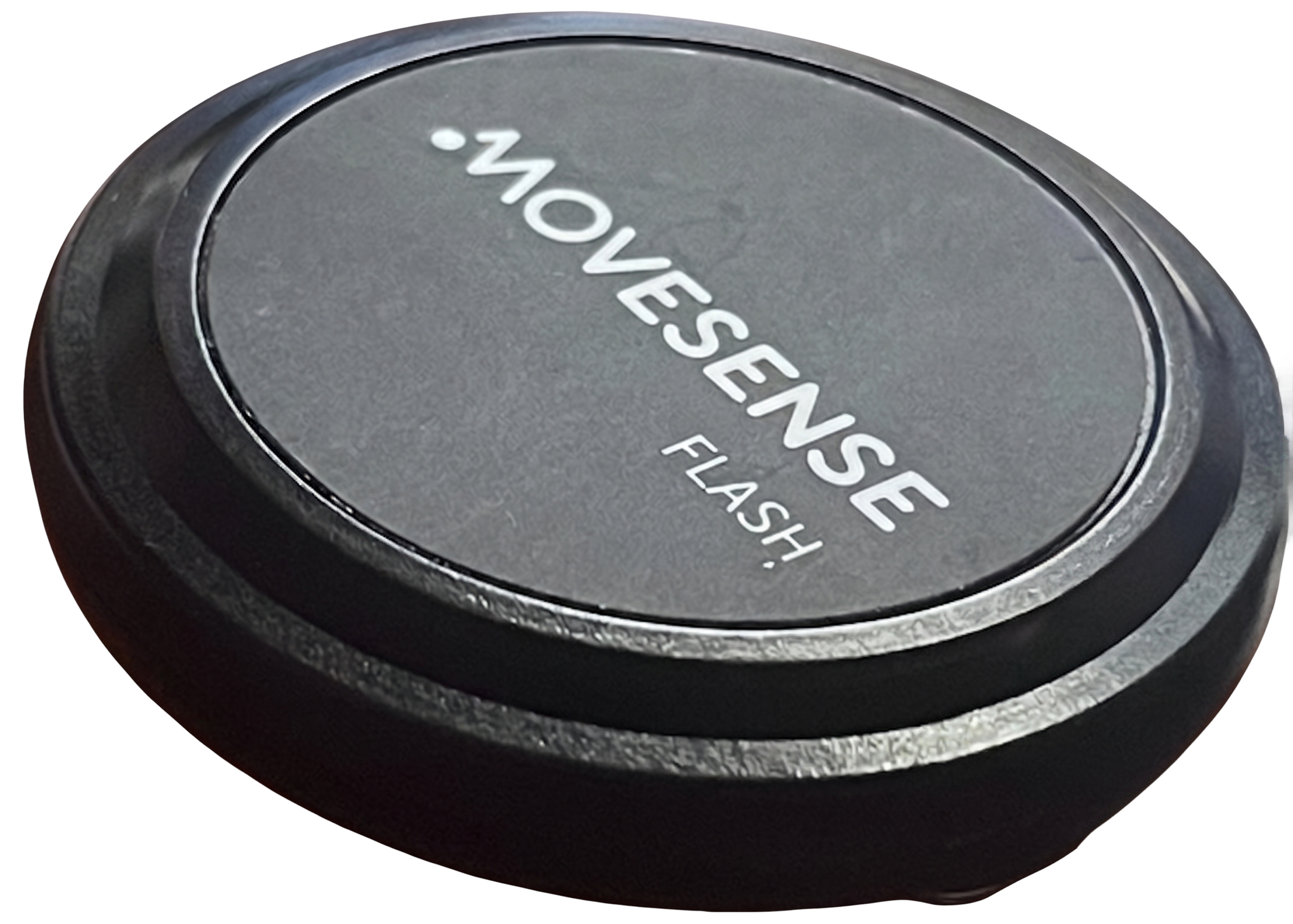
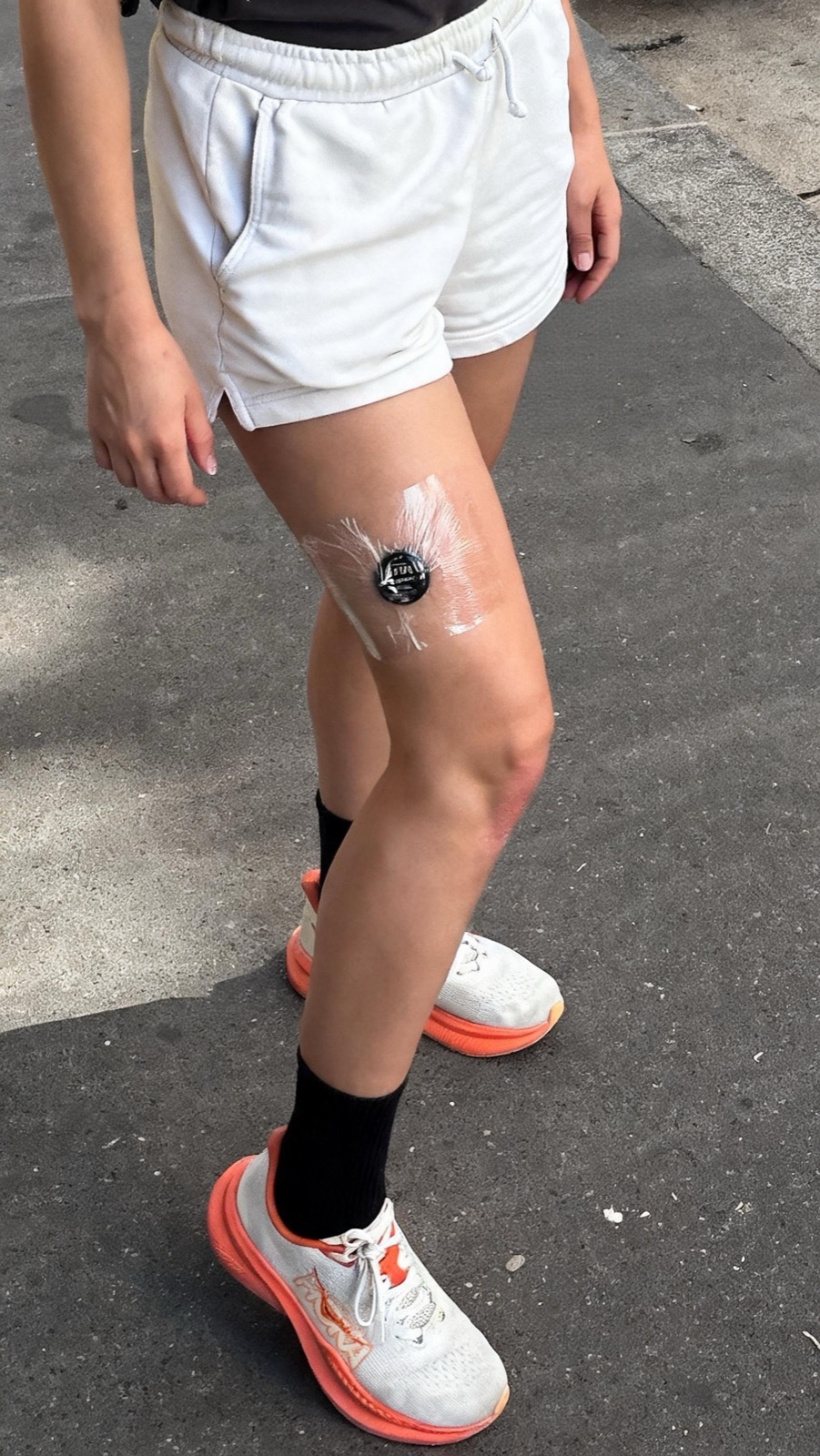
A small sensor sits on your thigh during training.
Train normally.
AUSPRÁ records soft tissue vibrations at every impact.
Analyze.
Training stress, cumulative load, injury risk. Understand the session you just did and shape the next one.
Wear it.
A small sensor sits on your thigh during training.
Train normally.
AUSPRÁ records soft tissue vibrations at every impact.
Analyze.
Training stress, cumulative load, injury risk. Understand the session you just did and shape the next one.
Who it's for
Built for athletes who plan to stay athletes.
“I felt fine. Then I was out for three months.”
“Am I at 60% or 99%? I have no idea.”
“I spend €200 a month on recovery. I cannot tell if any of it works.”
You've been through the cycle.
Injury, rehab, comeback, sometimes reinjury. Your body doesn't forgive mistakes the way it used to.
Never miss a race or game again.
You engineer every session.
Load, terrain, fuel. You optimize everything you can measure. Tissue load is the one variable you're still working from feel.
Fine-tune your recovery plan the way you optimize everything else.
“I felt fine. Then I was out for three months.”
“Am I at 60% or 99%? I have no idea.”
“I spend €200 a month on recovery. I cannot tell if any of it works.”
You've been through the cycle.
Injury, rehab, comeback, sometimes reinjury. Your body doesn't forgive mistakes the way it used to.
Never miss a race or game again.
You engineer every session.
Load, terrain, fuel. You optimize everything you can measure. Tissue load is the one variable you're still working from feel.
Fine-tune your recovery plan the way you optimize everything else.
What we measure
Soft tissue vibrations, decoded.
AUSPRÁ analyzes the vibrations produced in your muscles and tissues at every impact. These vibrations shift measurably during training. From that signal and its evolution across sessions we build the indices that tell you whether your tissues are ready for the next one.
Training stress
The mechanical load your soft tissues absorb in a single session.
Cumulative load
How that load has built across your recent training block.
Injury risk index
A composite signal showing whether your tissues are approaching a stress threshold.
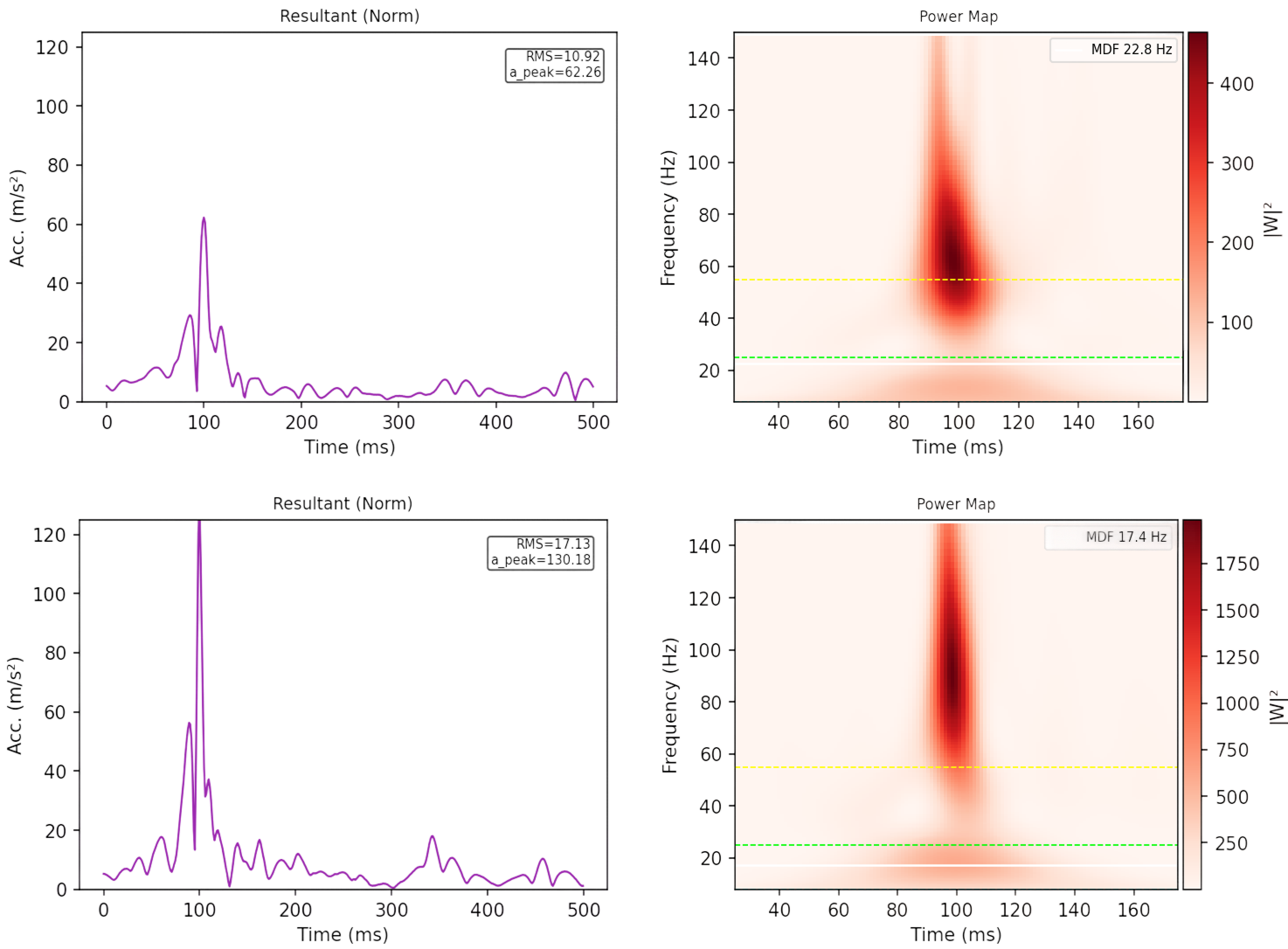
Fatigue induced by short running races seems to limit muscle tuning and lead to an increase in STV amplitude. For instance, fatigue caused by level running for 4 or 10 km at maximum steady state increased the STV amplitude of the triceps surae (Khassetarash et al., 2019), whereas running downhill for 40 min led to an amplified vastus lateralis STV amplitude (Ehrström et al., 2018).
The full recovery picture
Your watch sees one side of recovery.
Get the full picture.
AUSPRÁ sees
Biomechanical recovery
How much load your muscles have absorbed and whether your tissues are ready for the next session.
Recovery readiness
Your watch sees
Physiological recovery
How stressed your nervous and cardiovascular system are.
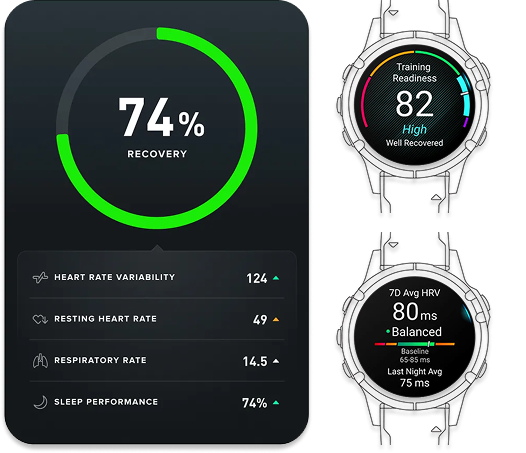
Adjust your training and recovery based on what your muscles tell you.
Your watch sees
Physiological recovery
How stressed your nervous and cardiovascular system are.
AUSPRÁ sees
Biomechanical recovery
How much load your muscles have absorbed and whether your tissues are ready for the next session.
Recovery readiness
Adjust your training and recovery based on what your muscles tell you.
Build with us
100 runners will shape what AUSPRÁ becomes.
In summer 2026 we're running a 100-runner alpha program. Testers train with our alpha hardware, work directly with the founders, and shape the product before public launch.
Be first.
Use AUSPRÁ before anyone else.
Direct access to the founders.
Your feedback informs the roadmap.
Build the product.
Your training data helps shape what AUSPRÁ becomes.
100 spots available. Selection based on training profile.
The team
A researcher and an operator.
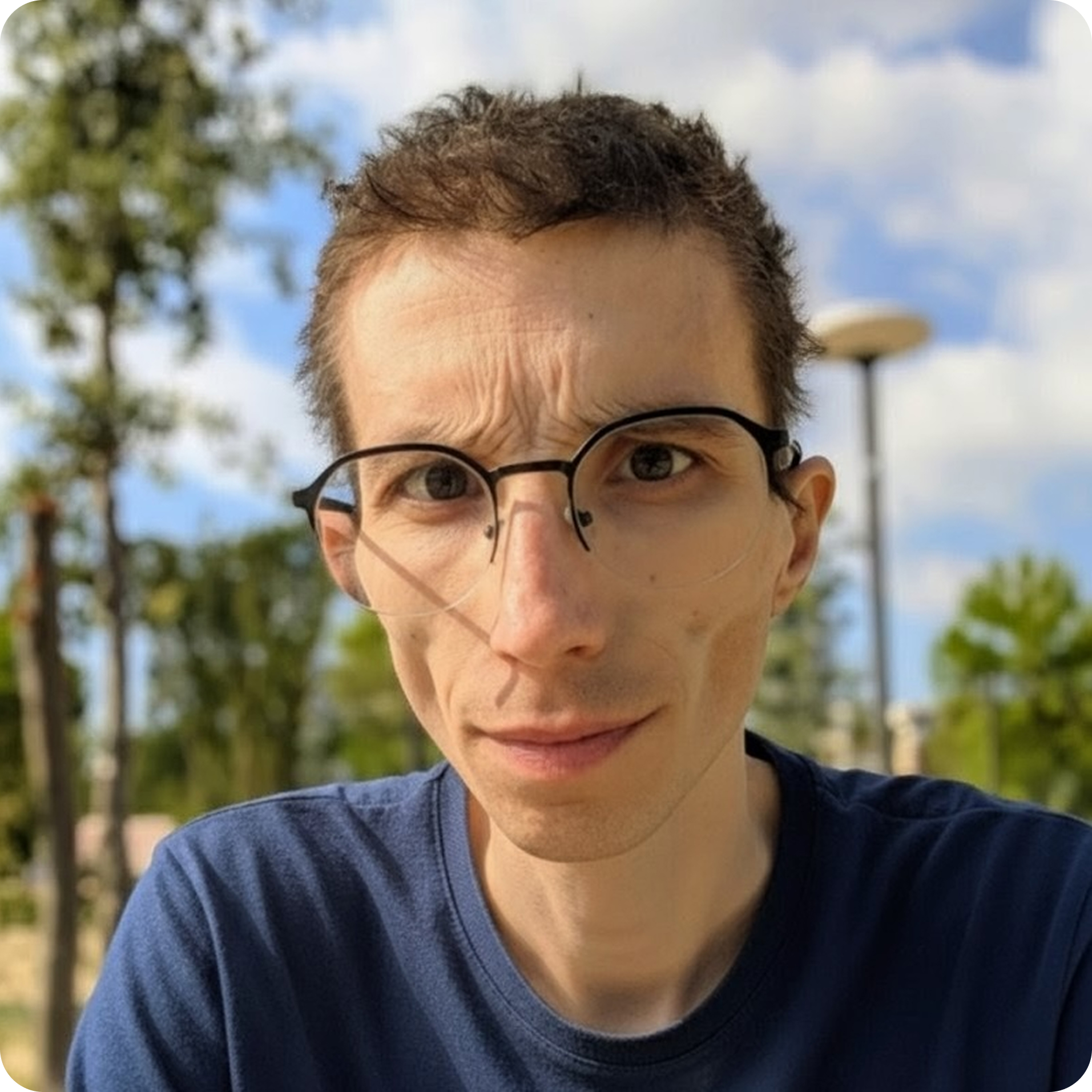
Alexis Duque, PhD.
Co-founder, CTO/CSO.
Expert in IoT, AI, and sports science. Co-founded Net AI, a mobile network intelligence company. Former Head of R&D at Rtone, an IoT and hardware design house.
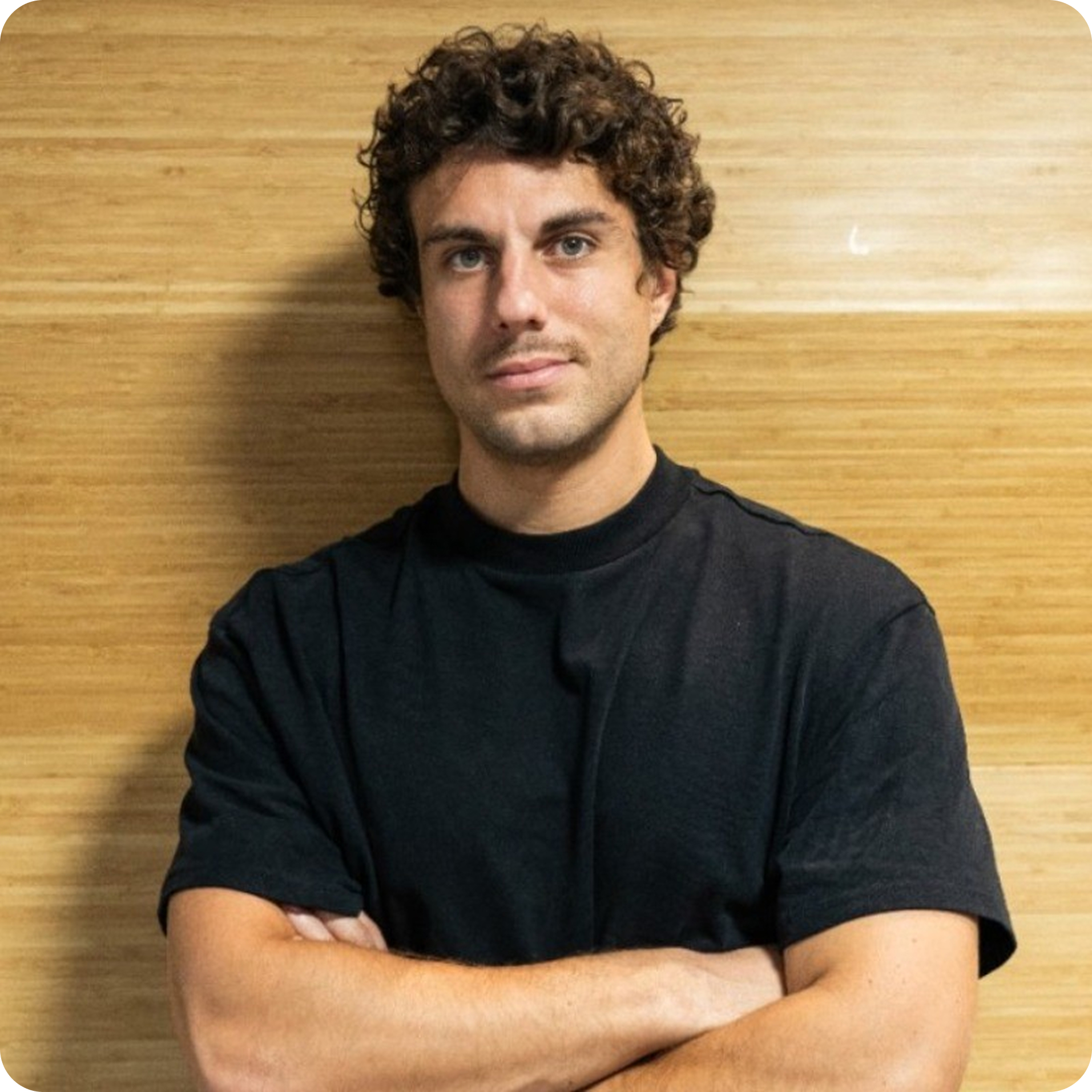
David Sellam.
Co-founder, CEO.
15 years in operations and commercial strategy at LVMH and Farfetch. Translates the science of muscle recovery into a product serious athletes can use.
Patent filed and patentability confirmed. Our model is built on a decade of published biomechanics research.
Explore the research →Frequently asked
The questions we get most.
A wearable sensor and subscription app. AUSPRÁ measures the vibrations soft tissues produce under stress, then turns that signal into training stress, fatigue, and cumulative load indices. Designed to work alongside your watch or sports wearable.
Garmin, WHOOP, and Ōura estimate physiological recovery meaning mostly your nervous system: heart rate, HRV, sleep. AUSPRÁ estimates biomechanical recovery: what your soft tissues absorbed during training. Both are useful. AUSPRÁ is the only signal that quantifies the load your tissues actually take, which is the layer where most overuse injuries develop.
No. AUSPRÁ works on its own. It also complements any watch or wearable you already use.
Yes. Soft tissue vibration is an established field in sports biomechanics, with peer-reviewed research published in Sports Medicine, Journal of Biomechanics, and Scandinavian Journal of Medicine & Science in Sports.
37–56% of recreational runners sustain an injury each year. Previous injury roughly doubles the risk of a new one. 50–75% of running injuries are overuse-related, meaning they build up over time rather than happening in a single moment. (van Gent et al., 2007; Damsted et al., 2021)
100-runner test program: summer 2026. Public consumer launch: mid-2027. Waitlist subscribers get early access.
Pricing will be confirmed closer to launch. AUSPRÁ includes a sensor and an app subscription. Different tiers will be available, including a sensor-and-raw-data option without a subscription.
Apply via the form in the tester program section above. We select 100 runners based on training profile, engagement, and willingness to share feedback throughout the program.
Alexis Duque and David Sellam. Both serious athletes with the technical and operational backgrounds to build this, who got tired of training blind to recovery. Full credentials in the team section above.
The 100-runner test program is running-specific. Today, AUSPRÁ is optimized for sports with a lot of running involved. Longer term, we're building for any athlete whose muscles take repeated impact.
Join the waitlist.
Tester program updates, research from our team, early access to AUSPRÁ.

Member

Ce projet a été financé par l’État dans le cadre de France 2030